
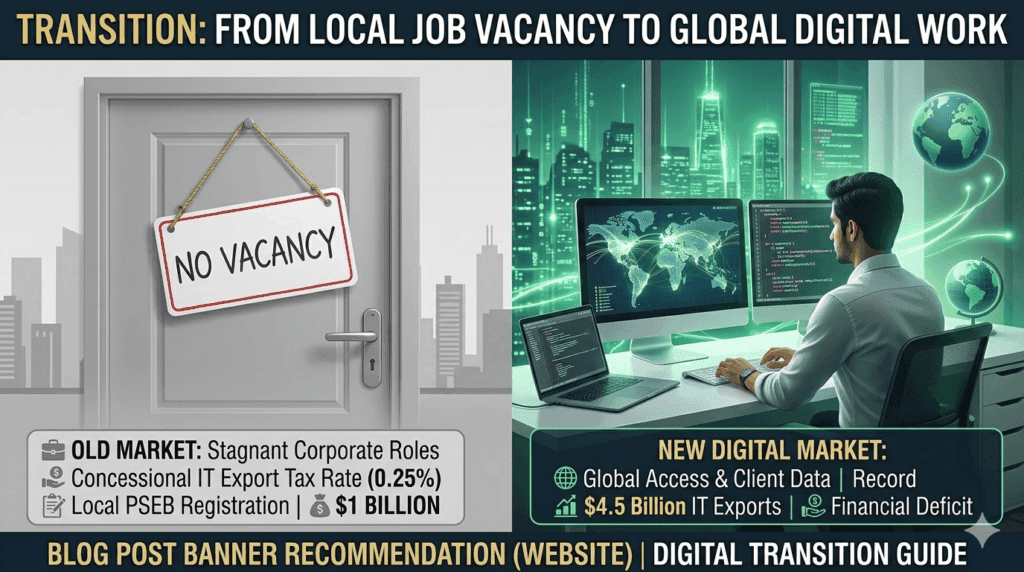
Pakistan is bracing for a significant challenge on its economic front as projections indicate the national unemployment rate is set to climb to an alarming 7.1% in the fiscal year 2025-26. This anticipated rise from current levels underscores deep-seated structural issues and the compounding effects of recent economic instability, signaling a critical period for job creation and livelihood sustenance across the nation.
The Alarming Rise: Unpacking the 7.1% Figure
The forecast of a 7.1% unemployment rate for FY2025-26 marks a concerning upward trend from previous years. According to the Pakistan Bureau of Statistics (PBS), the unemployment rate stood at 6.3% in FY2023. While precise figures for FY2024 are still being finalized, preliminary estimates and economic indicators suggested a potential increase, hovering around the 6.5-6.8% mark. The jump to 7.1% means that out of a burgeoning labor force, which currently exceeds 70 million individuals, millions more will find themselves without formal employment opportunities, exacerbating poverty and social unrest.
This escalating unemployment is not merely a statistical anomaly; it represents a tangible crisis impacting households nationwide. A higher unemployment rate translates into reduced consumer spending, diminished tax revenues for the government, and increased pressure on social safety nets. For a country already grappling with persistently high inflation—which has frequently breached the 20-30% mark in recent times—and a delicate balance of payments situation, a rising jobless rate adds another layer of complexity to its economic recovery efforts. It also signals a potential widening of the income inequality gap, as those with unstable employment or no jobs fall further behind.
Root Causes: A Confluence of Economic Headwinds
The anticipated rise in unemployment in 2025-26 is a multifaceted problem, rooted in a combination of macroeconomic instability, structural deficiencies, and global economic pressures. Pakistan’s economy has been characterized by a stop-go cycle, making sustainable job creation difficult.
- Economic Slowdown and Fiscal Austerity: Persistent high inflation, coupled with aggressive monetary tightening by the State Bank of Pakistan (SBP) – with policy rates often exceeding 20% – has severely dampened private sector investment and expansion. Businesses face prohibitively high borrowing costs, making new ventures or even maintaining existing operations challenging. Furthermore, ongoing International Monetary Fund (IMF) programs, while crucial for fiscal stability, often necessitate austerity measures, leading to reduced public sector development spending, a traditional source of job creation. Pakistan’s GDP growth projections have remained modest, often below 3% in recent fiscal years, which is insufficient to absorb the annual influx of new job seekers.
- Energy Crisis and Input Costs: Industries, particularly the manufacturing sector, continue to be plagued by high energy costs and intermittent supply issues. Frequent power outages and the rising price of electricity and gas inflate operational expenditures, forcing businesses to scale down production or even shut down, leading to job losses.
- Skill Mismatch and Education Gap: A significant structural issue is the misalignment between the skills possessed by the labor force and the demands of modern industries. Pakistan’s education system often produces graduates lacking the technical, vocational, and soft skills required by a competitive job market. This ‘skill gap’ is particularly acute in emerging sectors like IT and advanced manufacturing, leaving a large pool of educated but unemployable youth.
- Informal Economy Dominance: A substantial portion of Pakistan’s workforce operates within the informal sector, characterized by low wages, precarious employment, and a lack of social protection. While it provides a safety net, it offers limited opportunities for career progression or formal job creation, making the economy vulnerable to shocks.
Sectors Under Pressure & The Youth Unemployment Crisis
The impact of rising unemployment is not uniformly distributed across the economy; certain sectors and demographic groups bear a disproportionate burden.
Affected Sectors
The manufacturing sector, a cornerstone of formal job creation, is particularly vulnerable. Industries such as textiles, automobiles, and steel have faced a barrage of challenges including import restrictions, high input costs, and reduced consumer demand. Many textile units, for instance, have operated below capacity or closed down, shedding thousands of jobs. The construction sector, typically a major employer for unskilled and semi-skilled labor, has also slowed due to high material costs and reduced public development projects. The services sector, encompassing retail, hospitality, and transport, experiences a ripple effect as reduced consumer purchasing power leads to lower demand for services. While the IT and digital sectors show promise, their capacity to absorb the vast number of unemployed is still limited.
The Plight of Youth
Youth unemployment remains one of Pakistan’s most pressing socio-economic challenges. The unemployment rate for the 15-29 age group is often double the national average, a trend likely to persist and even worsen with the projected 7.1% overall rate. A large proportion of Pakistan’s population is young, and the inability to provide meaningful employment for this demographic can lead to social frustration, brain drain, and a lost generation of potential economic contributors. Educated youth, who often bear the brunt of the skill mismatch, find themselves competing fiercely for a limited number of formal sector jobs, leading many to seek opportunities abroad, further depleting the nation’s human capital.
Government Response and Path Forward
Addressing the escalating unemployment rate requires a comprehensive and sustained policy response that tackles both immediate challenges and structural deficiencies. The government has initiated various programs, albeit with varying degrees of success, to mitigate the crisis.
Existing initiatives include the Prime Minister’s Youth Program, which offers skill development, small loans, and internships, and the Kamyab Jawan Program, aimed at empowering youth through vocational training and entrepreneurship. However, their scale and reach need significant expansion to match the magnitude of the problem. Moving forward, a multi-pronged strategy is essential:
- Investment in Human Capital: A radical overhaul of the education and vocational training system is needed to align curricula with industry demands. Public-private partnerships can facilitate demand-driven skill development programs. Emphasis on digital literacy and tech-oriented skills is paramount for the future job market.
- Ease of Doing Business and SME Support: Simplifying regulatory frameworks, reducing bureaucratic hurdles, and providing targeted financial and technical support to Small and Medium Enterprises (SMEs) can unlock their job creation potential. SMEs are the backbone of Pakistan’s economy and a major source of employment.
- Sector-Specific Stimulus: Targeted incentives and support for struggling but high-potential sectors like export-oriented manufacturing (e.g., textiles, leather goods) and the IT sector can spur growth and create jobs. Ensuring stable and affordable energy supply is critical for industrial revival.
- Infrastructure Development: Strategically planned public works projects, particularly in infrastructure, can create immediate employment opportunities for both skilled and unskilled labor, while simultaneously improving the country’s economic backbone.
- Leveraging the Digital Economy: Fostering a robust digital ecosystem can create new avenues for employment, from e-commerce to freelancing and IT services. Policies promoting digital entrepreneurship and remote work can be particularly beneficial for youth.
- Fiscal Prudence with Growth Orientation: While fiscal consolidation is necessary, the government must find a balance that allows for strategic investments in job-creating sectors and human development, rather than solely focusing on expenditure cuts that stifle growth.
The 7.1% unemployment projection for 2025-26 serves as a stark warning. A concerted effort involving government, private sector, and civil society is crucial to avert a deeper crisis and pave the way for a more inclusive and prosperous Pakistan.
PS: For educational purposes only. Not financial advice. Investing involves risk.