
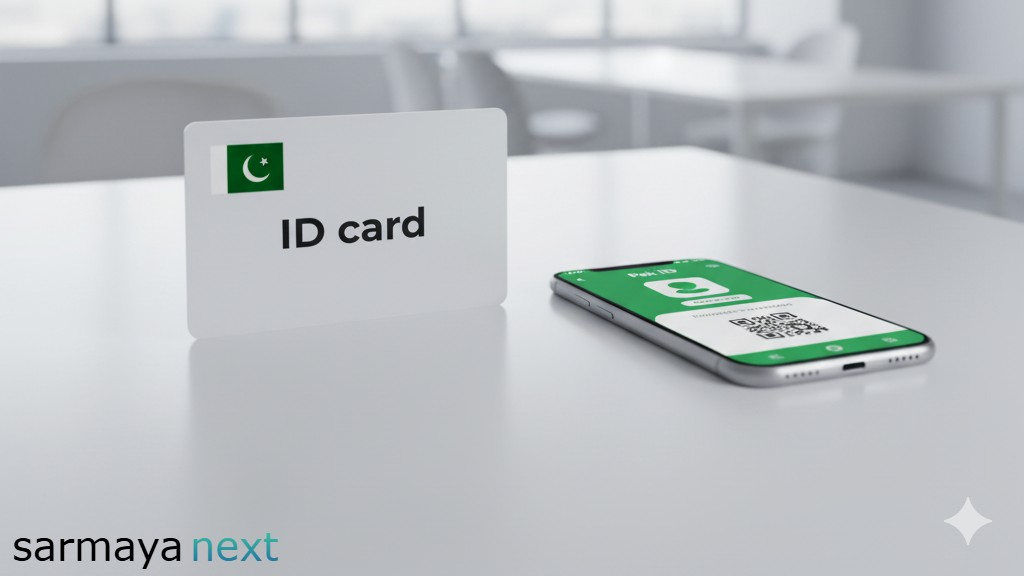
In a landmark stride towards fostering a truly digital Pakistan, the National Database and Registration Authority (NADRA) has unveiled a transformative policy: offering a free ID card (CNIC) to all citizens applying for their very first card upon turning 18. This pivotal document will be delivered promptly within 15 days, marking a significant departure from previous bureaucratic hurdles and fees. This initiative is not merely about providing a free card; it’s a foundational pillar for a broader national digital transformation, culminating in the ambitious “Pak ID” digital wallet, designed to streamline government services and empower citizens in the digital realm.
Key Takeaways:
Free for New Adults: NADRA will now issue a free CNIC to every citizen applying for their very first card at age 18 or older, removing a significant financial barrier for young Pakistanis.
15-Day Delivery: The card will be processed under the “normal” category, eliminating the need for costly urgent applications, and delivered to your doorstep within 15 days, ensuring timely access to essential identity documentation.
Digital Wallet (Pak ID): This initiative is the crucial first step for the “Pak ID” digital wallet, an ecosystem designed to move all citizen services, identity verification, and government interactions online, fostering efficiency and transparency.
“Digital Pakistan” Goal: The NADRA chairman emphasized that this policy is a critical leap towards reducing bureaucratic red tape, enhancing accessibility, and propelling the country into a digital-first ecosystem, aligning with the broader national vision.
Contextualizing the Policy Shift
This policy represents a monumental shift for millions of young Pakistanis. Historically, obtaining a CNIC has been fraught with challenges, including lengthy delays, multiple visits to NADRA centers, and often, unofficial fees or the notorious “chai-pani” culture. For a document that is indispensable for virtually every aspect of daily life – from opening a bank account and registering for university to securing employment and voting – these hurdles created significant friction for citizens entering adulthood. By making the first ID card free and guaranteeing a 15-day delivery, NADRA is directly addressing these long-standing issues, aiming to provide a smooth and dignified entry for young Pakistanis into the formal system.
The broader vision, however, extends far beyond just a physical card. The “Pak ID” digital wallet is designed to become the central, secure conduit for Pakistanis to verify their identity and access services online. This isn’t merely about government-to-citizen services; it’s the foundational infrastructure required to underpin a modern, thriving digital economy. Applications are welcomed through the mobile app (Android & IOS) and delivered to the applicant’s doorsteps worldwide, showcasing a commitment to global connectivity for Pakistani diaspora as well.
Driving the Digital Pakistan Vision
This initiative is a cornerstone of the “Digital Pakistan” agenda, a strategic framework aimed at leveraging technology to enhance governance, drive economic growth, and foster social inclusion. A robust digital identity system is paramount for achieving these goals. It facilitates greater financial inclusion by simplifying Know Your Customer (KYC) processes for banks and fintech companies, allowing more citizens, especially in rural areas, to access formal financial services. It also underpins the expansion of e-commerce, digital payments, and the burgeoning gig economy, where reliable identity verification is crucial for trust and security. By standardizing and digitizing identity verification, Pakistan can unlock new avenues for domestic and international investment, streamline business operations, and create a more transparent and efficient ecosystem for both citizens and enterprises.
The Insider Take: What This Means for You.
This is more than just a free ID card; it’s a powerful signal of a much-needed systemic change. Here’s the sharp takeaway for the “SarmayaNext” audience, particularly those navigating Pakistan’s evolving economic landscape:
A “Shield” Against Hassle: This is a direct, tangible win for every young Pakistani turning 18. It’s a small but powerful shield against the time-wasting bureaucracy and the informal “chai-pani” culture that often surrounds essential document processing. A free, fast, and reliably delivered first ID card democratizes access to formal education, employment opportunities, and government schemes, leveling the playing field for all.
The “Flame” is the Digital Wallet: The real story here is the “Pak ID” digital wallet. This is the foundational layer required to unlock high-value global services and integrate Pakistan more deeply into the international digital economy. A secure, government-backed digital identity is the key to easier bank account opening, seamless verification for international freelance platforms (like Upwork/Fiverr), and is a non-negotiable first step for global payment gateways like PayPal or Stripe to even consider entering the Pakistani market. For investors, both local and foreign, a reliable digital identity infrastructure signifies a maturing market with reduced operational risks and enhanced transparency, potentially attracting more foreign direct investment and fostering a vibrant startup ecosystem.
Your Action Plan: If you are a student or a young professional who just turned 18, leverage this new system immediately. This digital ID will be the key you use to unlock the global digital economy. Getting familiar with it now, utilizing the mobile app, and understanding its capabilities puts you one significant step ahead in an increasingly interconnected world. Don’t underestimate the power of a verified digital identity in personal and professional growth.
Challenges and the Road Ahead
While the initiative is highly commendable, its success will also hinge on addressing potential challenges. Ensuring digital literacy across diverse socio-economic strata, particularly in rural areas with limited internet penetration, will be crucial. Robust cybersecurity measures and stringent data privacy protocols must be continuously reinforced to build and maintain public trust in the digital identity system. NADRA’s commitment to continuous improvement and user-centric design will be vital as “Pak ID” evolves. This is not a one-off project but an ongoing journey towards full digital integration, promising a future where identity verification is seamless, secure, and universally accessible, ultimately empowering every Pakistani citizen.
PS: For educational purposes only. Not financial advice. Investing involves risk.